
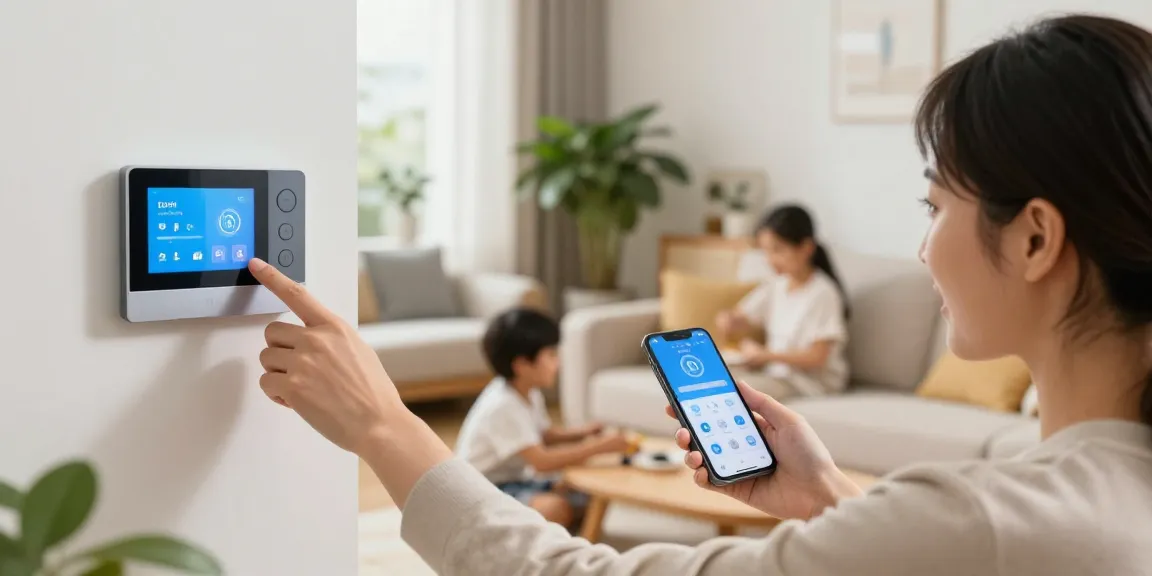

Understanding Smart Thermostats
As we dive into 2026, the realm of home automation continues to expand rapidly, and among the innovations leading this revolution is the smart thermostat. These devices are not just simple temperature regulators; they represent a pivotal shift in how we manage energy consumption, enhance comfort, and integrate with our smart home systems. When exploring options, smart thermostat solutions provide comprehensive insights into the transformative potential of these technologies.
What is a Smart Thermostat?
A smart thermostat is a device that allows users to remotely manage and monitor their heating, ventilation, and air conditioning (HVAC) systems via a smartphone app or web-based interface. These devices use advanced algorithms to learn a household’s temperature preferences and schedule, allowing for automatic adjustments that optimize energy use and enhance comfort. Unlike traditional thermostats, which require manual adjustments, smart thermostats can communicate with other smart devices in your home, offering a seamless integration that simplifies temperature management.
How Smart Thermostats Improve Energy Efficiency
Energy efficiency is one of the most significant advantages of smart thermostats. By learning your schedule and preferences, these devices can significantly reduce energy consumption. For instance, they can automatically lower the temperature when the house is unoccupied and reactivate it shortly before residents return home. Similarly, many models provide real-time energy usage statistics, allowing users to adjust their habits accordingly. This capability not only leads to lower energy bills but also contributes to a greener lifestyle by reducing the carbon footprint.
Key Features to Look for in 2026
As technology evolves, so too do the features offered by smart thermostats. Here are some key features to consider when purchasing a model in 2026:
- Learning Capabilities: Look for devices that can adapt to your habits and preferences automatically.
- Remote Control: Ensure the thermostat is compatible with a user-friendly app for remote monitoring and adjustments.
- Energy Reports: The ability to receive reports on your energy usage can help in making informed decisions about energy conservation.
- Integration: Choose a thermostat that seamlessly fits into your existing smart home ecosystem, supporting protocols like Z-Wave or Zigbee.
- Geofencing: This feature adjusts the temperature based on your location, ensuring comfort when you’re home and energy savings when you’re away.
Benefits of Using a Smart Thermostat
Cost Savings on Energy Bills
Investing in a smart thermostat can lead to substantial savings on energy bills. According to recent studies, homeowners can expect to save between 10-23% on heating and cooling costs. The ability to fine-tune heating and cooling schedules based on personal usage patterns maximizes energy efficiency, translating into lower bills over time. This feature becomes especially useful during extreme weather events when energy consumption spikes.
Enhanced Comfort and Convenience
Smart thermostats enhance comfort by ensuring that your home maintains the ideal temperature at all times. With customizable scheduling, you can set your thermostat to adjust the temperature according to your daily routine. Furthermore, many models come equipped with voice control compatibility, allowing for easy adjustments without needing to physically interact with the device. This level of convenience significantly enhances the user experience and promotes an effortlessly comfortable living environment.
Integration with Smart Home Systems
Today’s smart thermostats are designed to work harmoniously with various other smart home devices. Integration with smart speakers, lighting systems, and even security cameras is increasingly common. For instance, when your security system is armed, the thermostat can automatically adjust to save energy. Conversely, when your smart lock detects that you are home, the thermostat can resume your comfort settings. This interconnectedness fosters a truly efficient smart home environment.
Choosing the Right Smart Thermostat
Top Brands and Models for 2026
As the smart thermostat market continues to mature, several brands stand out due to their innovative features and user satisfaction. Here are some of the top models to consider in 2026:
- Ecobee SmartThermostat with Voice Control: Known for its exceptional learning capabilities and integrated Amazon Alexa voice support, this model offers room sensors that ensure a balanced temperature throughout the home.
- Google Nest Learning Thermostat: This device is famous for its ability to learn schedules and its sleek design. Its energy-saving features and adaptability make it a favorite among homeowners.
- Honeywell Home T9: This thermostat supports multiple zones, allowing for targeted temperature control in different areas of the home, which is perfect for larger households.
- Emerson Sensi Touch Wi-Fi Thermostat: With a user-friendly touch screen interface and great compatibility with various smart home devices, the Sensi Touch is a strong contender for modern smart homes.
Comparative Analysis of Features
When selecting a smart thermostat, comparing features can help identify which model best fits your needs. Key aspects to look at include:
- Compatibility: Ensure that the thermostat works with your HVAC system and other smart home devices.
- Energy Monitoring: Some models provide detailed insights into your energy usage, allowing you to track savings more effectively.
- User Interface: Consider the ease of use of the app and physical device controls. A clear and intuitive interface enhances the user experience.
- Customer Support: Look for brands that offer robust customer service and technical support, which can be invaluable during setup and troubleshooting.
Installation and Setup Considerations
Installing a smart thermostat can range from straightforward to complex based on the specific HVAC system you have. Here are some considerations:
- DIY vs. Professional Installation: While many smart thermostats offer user-friendly installation guides, those unfamiliar with home wiring may prefer to hire a professional.
- Existing Wiring: Some smart thermostats require a C-wire for power, which may necessitate additional wiring if your home does not already support it.
- Compatibility Checks: Before purchasing, it’s essential to check if the thermostat is compatible with your existing HVAC system to avoid any installation issues.
Common Challenges and Solutions
Troubleshooting Common Issues with Smart Thermostats
Even the best smart thermostats can face issues. Common problems include connectivity issues, inaccurate readings, and unresponsiveness. Here are some troubleshooting tips:
- Check Network Connectivity: Ensure your Wi-Fi is stable and within range of the thermostat.
- Reset the Device: Sometimes a simple reset can resolve minor glitches. Follow the manufacturer’s instructions for the specific reset process.
- Update Firmware: Ensure that your thermostat’s software is up-to-date to benefit from the latest features and security patches.
Overcoming Compatibility Challenges
Compatibility issues can arise particularly when integrating a smart thermostat into an existing smart home setup. Here are ways to overcome these challenges:
- Check Compatibility Lists: Manufacturers often provide compatibility lists on their websites. Ensure that your thermostat can work with your other devices.
- Use Smart Hubs: If your devices are on different protocols (e.g., Zigbee vs. Z-Wave), consider investing in a smart hub that can bridge the gap.
- Firmware Updates: Keeping all devices updated ensures they have the latest compatibility features.
Maximizing Performance with User Settings
To get the most out of your smart thermostat, take time to adjust the user settings. Here are some tips:
- Customize Schedules: Tailor the heating and cooling schedules based on your family’s specific needs and routines.
- Utilize Energy-Saving Modes: Engage features that allow the thermostat to maintain energy efficiency while keeping your home comfortable.
- Experiment with Geofencing: If available, enable geofencing to automatically adjust settings based on your location, maximizing energy savings without sacrificing comfort.
The Future of Smart Thermostats
Emerging Trends and Technologies for 2026
The smart thermostat market is poised for significant growth and innovation in the next few years. Some emerging trends to look out for include:
- AI Integration: Advanced machine learning algorithms will enable thermostats to make even more precise adjustments based on user behavior and environmental changes.
- Enhanced Energy Management: Future models may provide more comprehensive energy management features, helping users significantly reduce energy consumption.
- Improved User Interfaces: The trend towards a more intuitive user experience continues, with interfaces becoming easier to navigate and more visually appealing.
Predictions for Smart Home Integration
As smart homes become increasingly prevalent, smart thermostats will continue to play a central role. Improved integration with other smart home devices will likely lead to more streamlined operations, with thermostats working in tandem with lighting, security systems, and appliances to create a cohesive smart home experience. Expect to see devices that not only respond to direct user input but also anticipate needs based on overall home patterns.
Expert Insights and Recommendations
Experts agree that when choosing a smart thermostat, it’s crucial to consider both current needs and future possibilities. As technology evolves, selecting a model that can adapt and grow with your home is essential. Pay attention to brands with a reputation for excellent customer service and ongoing software updates, as these factors will significantly impact your device’s longevity and functionality.